
How to Improve Gut Health: What Actually Helps
Fiber from a wide mix of plants, good sleep and regular movement do most of the work. Here is what the evidence supports, what is still uncertain and when symptoms need a doctor.
By Wellmarrow Editorial Team · Nov 3, 2026 · 6 min read · 5 sources cited
Key takeaways
- 1Aim for 25 to 38 grams of fiber a day from varied plants; most adults eat much less.
- 2Raise fiber gradually over a few weeks to avoid gas and cramps.
- 3Fermented foods are a fair addition, but probiotic pills have no proven need in healthy adults.
- 4Sleep of 7 hours or more and 150 minutes of weekly activity support digestion.
- 5Blood in stool, weight loss or bowel changes lasting three weeks need a medical check.
The most reliable way to improve gut health is to eat more fiber from a wide mix of plants, aiming for about 25 to 38 grams a day depending on age and sex, and to back that up with regular sleep, movement and less alcohol. Your gut bacteria feed on what reaches the large intestine, mostly plant fiber, so changing what is on your plate changes them within days. There is no single test or product that proves a "healthy" gut, and much of the research is still observational.
What does a healthy gut actually mean?
Your digestive tract is home to trillions of microbes, mostly bacteria, collectively called the gut microbiome. A healthy gut is mainly one that does its job without drama: food moves through at a steady pace, you pass soft stools somewhere between three times a day and three times a week, and you are not regularly dealing with pain, bloating or urgency.
Scientists have not agreed on what an ideal microbiome looks like. Variety of bacteria tends to be higher in people who eat plenty of plants, but variety alone is not a diagnosis, and consumer stool tests cannot yet tell you what to change. Judge your gut by how it works, not by a score.
Which foods help gut health most?
Fiber is the headline. The NHS sets 30 grams a day for UK adults, while US guidance works out to roughly 25 grams for women and 38 grams for men. Most people in both countries eat well under that, often around 15 to 20 grams.
| Food | Typical portion | Fiber (approx.) |
|---|---|---|
| Lentils, cooked | 1/2 cup | about 8 g |
| Black beans, cooked | 1/2 cup | about 7 g |
| Raspberries | 1 cup | about 8 g |
| Oatmeal, cooked | 1 cup | about 4 g |
| Pear with skin | 1 medium | about 5 to 6 g |
| Almonds | 1 ounce (a small handful) | about 3.5 g |
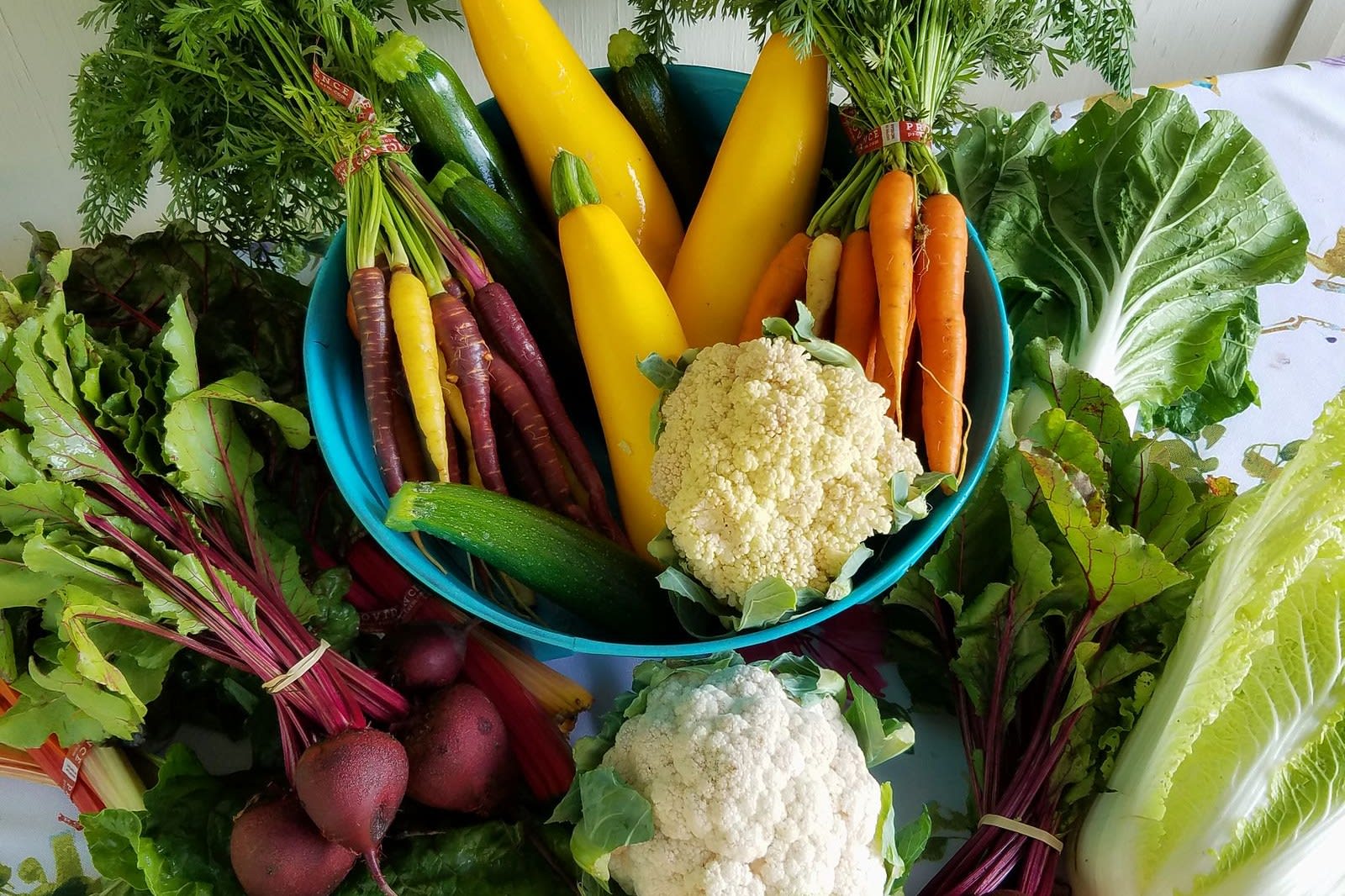
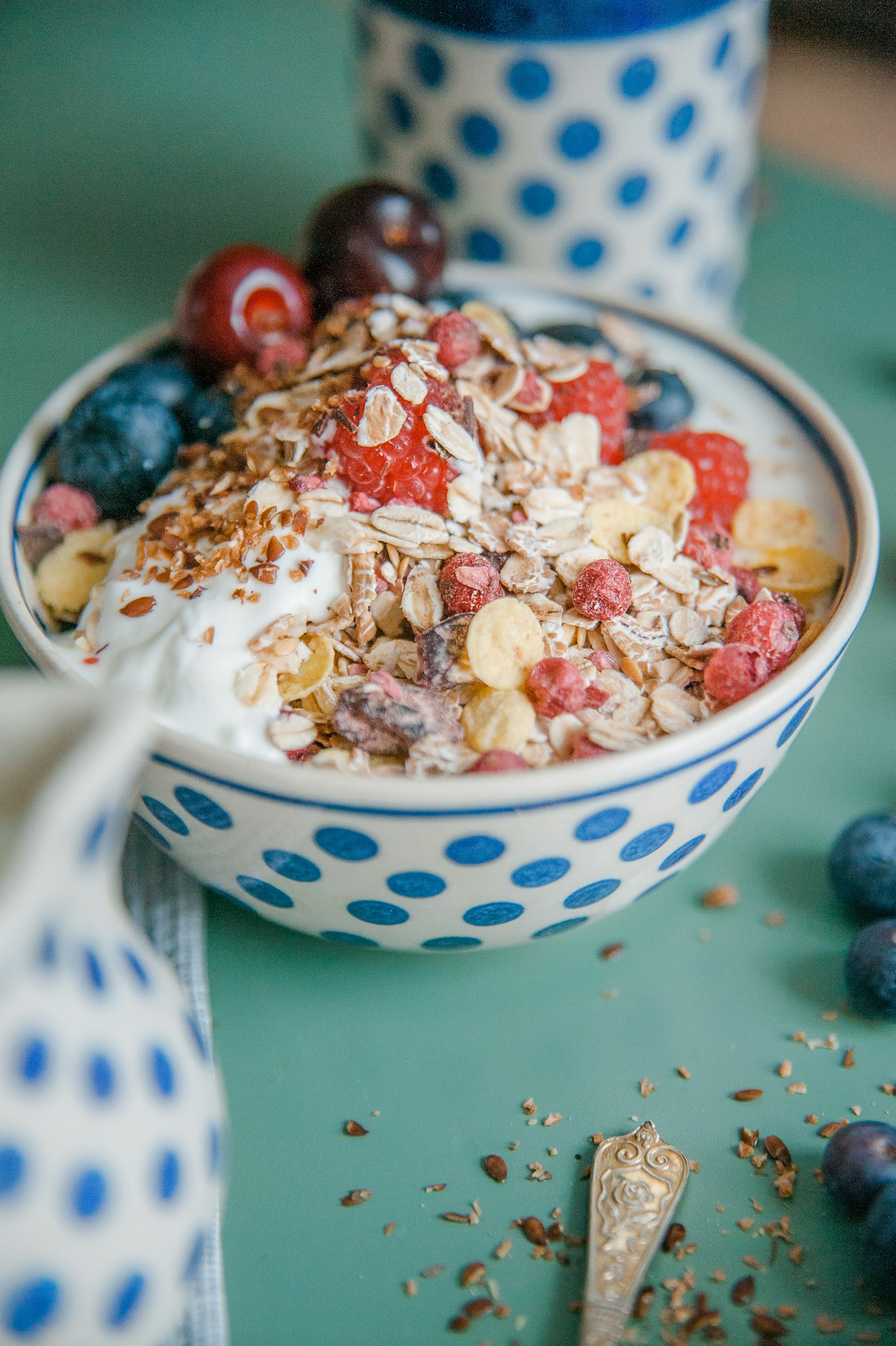
Beans, lentils, whole grains, vegetables, fruit, nuts and seeds all count. Try for variety rather than one "best" food. Swapping white bread for a whole-grain loaf, adding a can of beans to a soup, or keeping the skin on potatoes and apples gets you a long way without a diet overhaul.
Fiber is not the only piece. Eating mostly whole foods and fewer ultra-processed ones tends to go with a more varied diet overall, though researchers are still working out which parts of those products matter for the gut.
Do fermented foods and probiotics work?
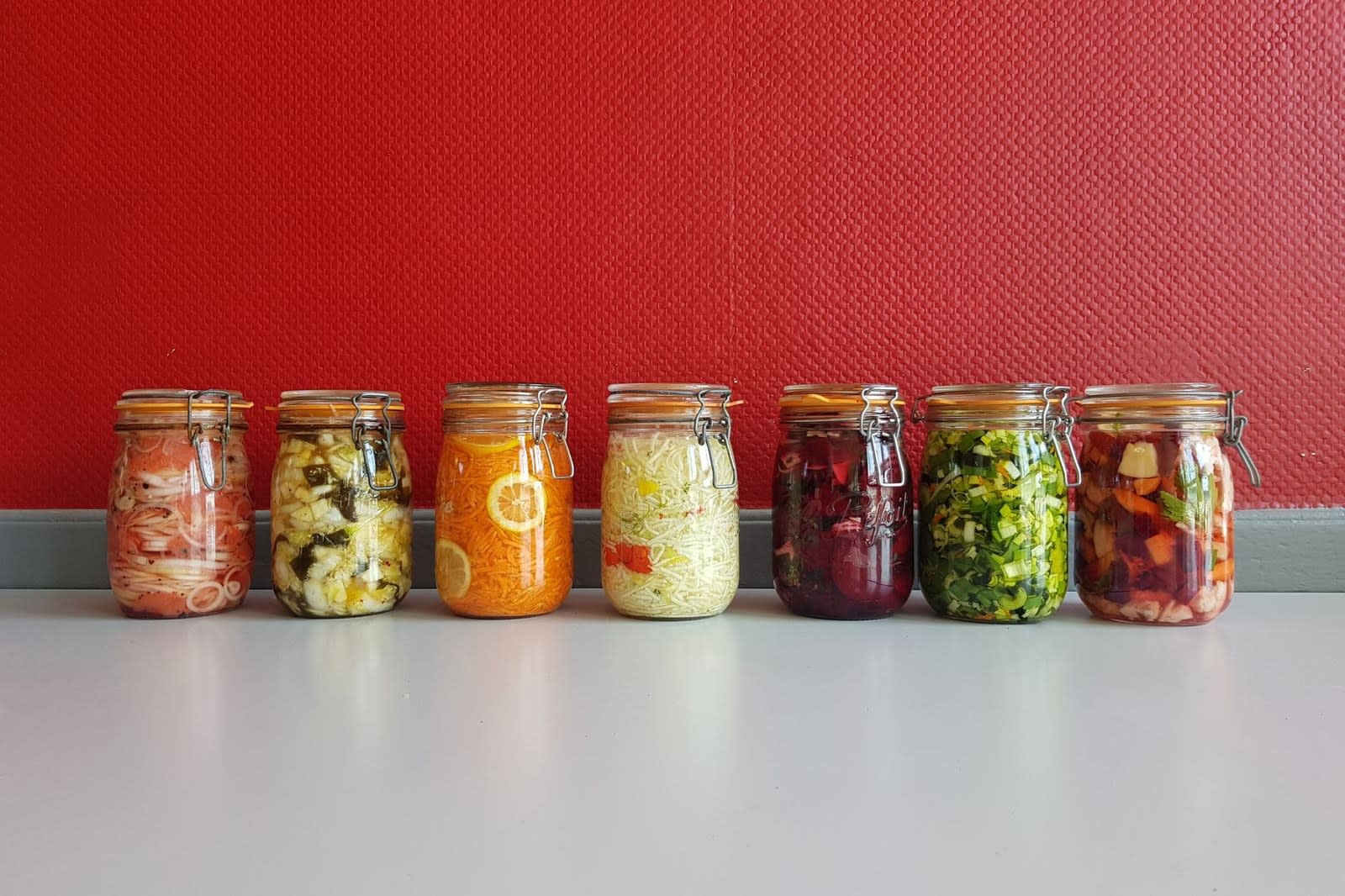
Yogurt with live cultures, kefir, sauerkraut, kimchi and miso contain live microbes. Small trials suggest that eating them regularly can shift some gut markers, and they are a reasonable food to add if you like them. Check that the label says "live" or "active" cultures, because heat-treated versions have had the microbes killed.
Probiotic supplements are a different matter. The evidence is strongest for specific strains used for specific problems, such as preventing diarrhea linked to antibiotics. For healthy adults with no complaints, there is no proven need for them, and microbes you swallow usually pass through rather than settling in. Effects tend to fade when you stop.
Prebiotics are simply the fibers and starches that bacteria like to eat, found in onions, garlic, leeks, bananas, oats and cooled cooked potatoes or rice. You get them automatically if you hit your fiber target from varied foods.
Is there a drink that combines prebiotics and probiotics?
If you would rather have both in one scoop than juggle several products, IM8 Daily Ultimate Essentials is built that way. The brand, co-founded by David Beckham with the health company Prenetics, describes it as a single powder you mix with water once a day, with vitamins, minerals, plant extracts and a prebiotic and probiotic component among roughly 90 ingredients.
Think of it as an add-on. Research on probiotics in healthy people is modest and strain-specific, and the amount of prebiotic in any one scoop is small next to the fiber in a bowl of lentil soup. It costs money, you may not notice any difference, and it does not do the job of vegetables, beans or whole grains. If you are pregnant, take medication, have a weak immune system or a digestive condition, check with a doctor or pharmacist first. Some people also get gas or bloating when they start anything new that contains fermentable fibers.
How does sleep affect your gut?
Sleep and digestion influence each other. Short or broken sleep is linked with more digestive complaints and with food choices that lean toward sugary, low-fiber snacks, and gut symptoms such as reflux or pain can in turn make sleep worse. Studies showing that poor sleep directly reshapes the microbiome are small and short, so treat that part as plausible rather than settled.
The practical advice is the usual one: aim for at least 7 hours, keep wake-up times fairly steady, and avoid a large meal in the two to three hours before bed if you get heartburn at night.
Does exercise improve gut health?
Regular movement helps food travel through the intestines, which is why a brisk walk after dinner can ease constipation and bloating. Some studies also find a more varied gut bacteria mix in active people, but it is hard to separate the effect of exercise from the healthier diets active people tend to eat.
You do not need anything extreme. The standard target for adults is 150 minutes a week of moderate activity, meaning your breathing is faster but you can still talk, plus strength work on two days. Thirty minutes of brisk walking five days a week meets the first part.
What hurts your gut?
A few habits are worth cutting back. Heavy drinking irritates the gut lining and is linked to changes in gut bacteria. Smoking raises the risk of several digestive diseases. Long or repeated antibiotic courses disturb the microbiome, though they are sometimes essential, so never stop a prescribed course on your own. Chronic stress can also speed up or slow down digestion, which is why many people notice stomach symptoms during tense weeks.
Another common mistake is raising fiber too fast. Going from 15 grams to 35 grams overnight often brings gas, cramps and bloating. Add about 5 grams every few days, drink enough water, and give your gut two to three weeks to adjust.
When should you see a doctor?
Do not try to fix these with diet changes or supplements. See a doctor if you notice blood in your stool or black, tarry stools, unexplained weight loss, a change in bowel habit that lasts three weeks or longer, severe or worsening belly pain, fever with diarrhea, trouble swallowing, or persistent vomiting. Waking at night with diarrhea or pain is also worth reporting.
Ask a professional before changing your diet or adding supplements if you have inflammatory bowel disease, celiac disease, irritable bowel syndrome, kidney disease, a weakened immune system, or are pregnant or taking regular medicine. Some people with IBS react badly to certain fermentable fibers, and a dietitian can guide the order in which to try changes.
Frequently asked questions
How long does it take to improve gut health?
Gut bacteria can shift within a few days of a big diet change, but the changes may reverse just as quickly. Comfort usually improves over two to four weeks of steady habits. Longer-term benefits depend on keeping the pattern up.
Is coffee bad for your gut?
For most people, moderate coffee is fine and may even stimulate bowel movements. It can worsen reflux or loose stools in some, so cut back if you notice a pattern.
Do you need a gut cleanse or detox?
No. Your liver, kidneys and intestines already clear waste. Cleanses and laxative teas have no proven benefit and can cause dehydration and cramping.
Can drinking more water help?
It helps if you are dehydrated, especially alongside more fiber, because fiber needs fluid to soften stool. Beyond staying comfortably hydrated, extra water will not do more.
Brands mentioned
References
- Fiber, Harvard T.H. Chan School of Public Health
- How to get more fibre into your diet, NHS
- Probiotics: Usefulness and Safety, NCCIH
- Physical activity guidelines for adults aged 19 to 64, NHS
- How Sleep Works - How Much Sleep Is Enough?, NHLBI
This article is general information, not medical advice. Check with a doctor before changing your diet, exercise or supplements. Read our medical disclaimer.
Comments
No comments yet. Questions and experiences are welcome.
Leave a comment
Your email is never published. Comments appear after a quick moderation check.