
What Are Ultra-Processed Foods and Are They Bad for You?
Ultra-processed foods are industrial products built from refined ingredients and additives. Studies link them to heart disease and diabetes, but the evidence has real limits, and not all processed food is a problem.
By Daniel Hayes · Oct 31, 2026 · 7 min read · 4 sources cited
Key takeaways
- 1The NOVA system sorts foods into four groups by how processed they are, with ultra-processed foods made mostly from refined substances and additives.
- 2Supermarket sliced bread, flavored yogurt, protein bars and many plant-based meats usually count as ultra-processed.
- 3Observational studies tie high intakes to heart disease, type 2 diabetes and depression, but they cannot prove cause and effect.
- 4Sugary drinks and processed meats seem to drive much of the risk, while whole-grain breads and plain yogurt look far less concerning.
- 5Frozen vegetables, canned beans and plain dairy are processed but still healthy everyday foods.
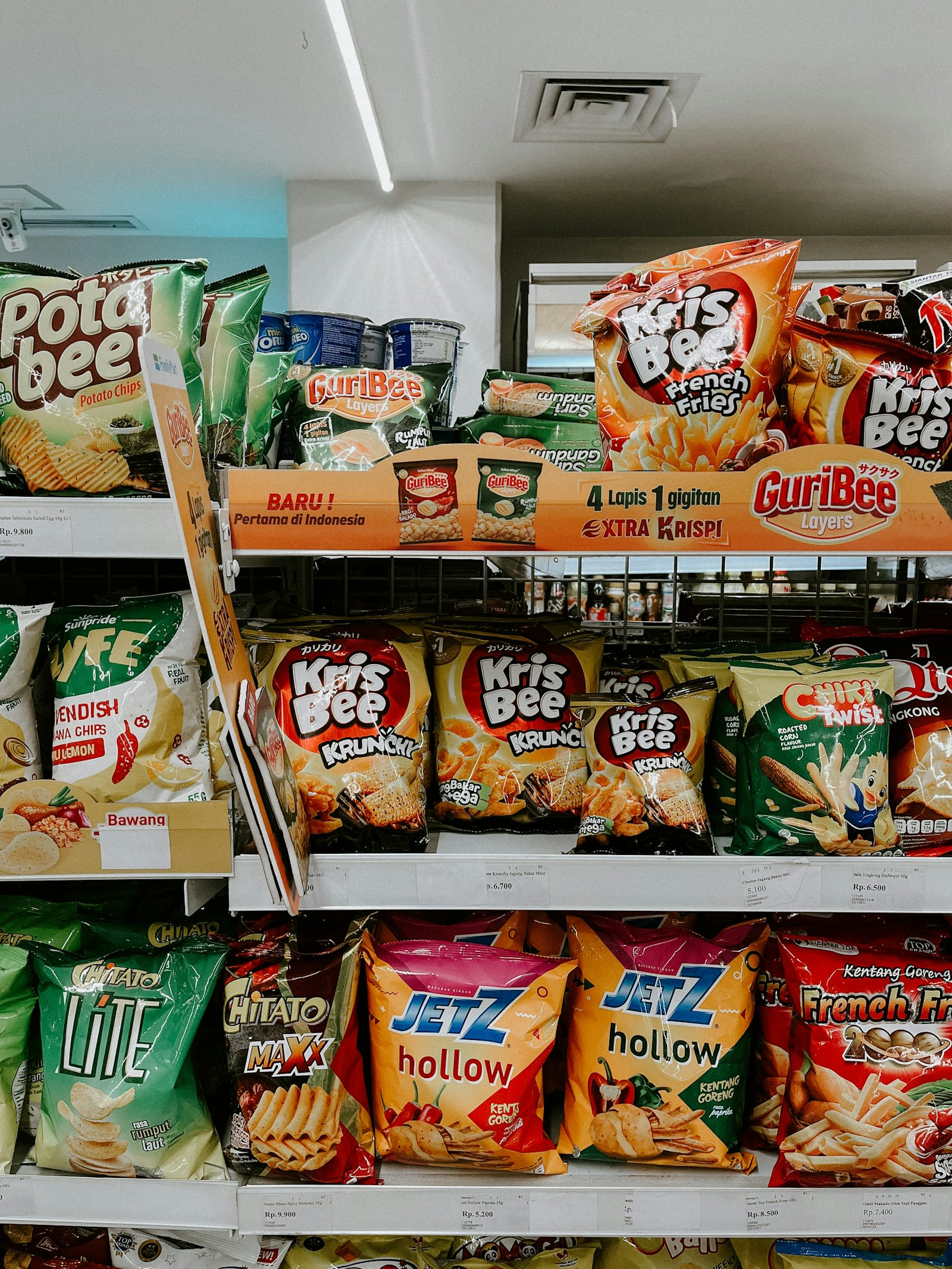
Ultra-processed foods are industrial products made mostly from ingredients extracted or refined from whole foods, such as starches, sugars, oils and protein isolates, combined with additives like emulsifiers, flavorings, colorings and sweeteners that you would rarely find in a home kitchen. Sodas, packaged snacks, sweetened breakfast cereals, instant noodles, chicken nuggets and most mass-produced sweets fall into this group. Large observational studies link diets high in them to obesity, type 2 diabetes, heart disease and earlier death, but the research cannot yet say exactly which products, or which features of them, are to blame.
What does the NOVA classification mean?
The term comes from NOVA, a system created by researchers at the University of São Paulo in Brazil about 15 years ago. Unlike most nutrition advice, it does not sort food by fat, sugar or calories. It sorts food by how much it has been processed and why.
| NOVA group | What it means | Examples |
|---|---|---|
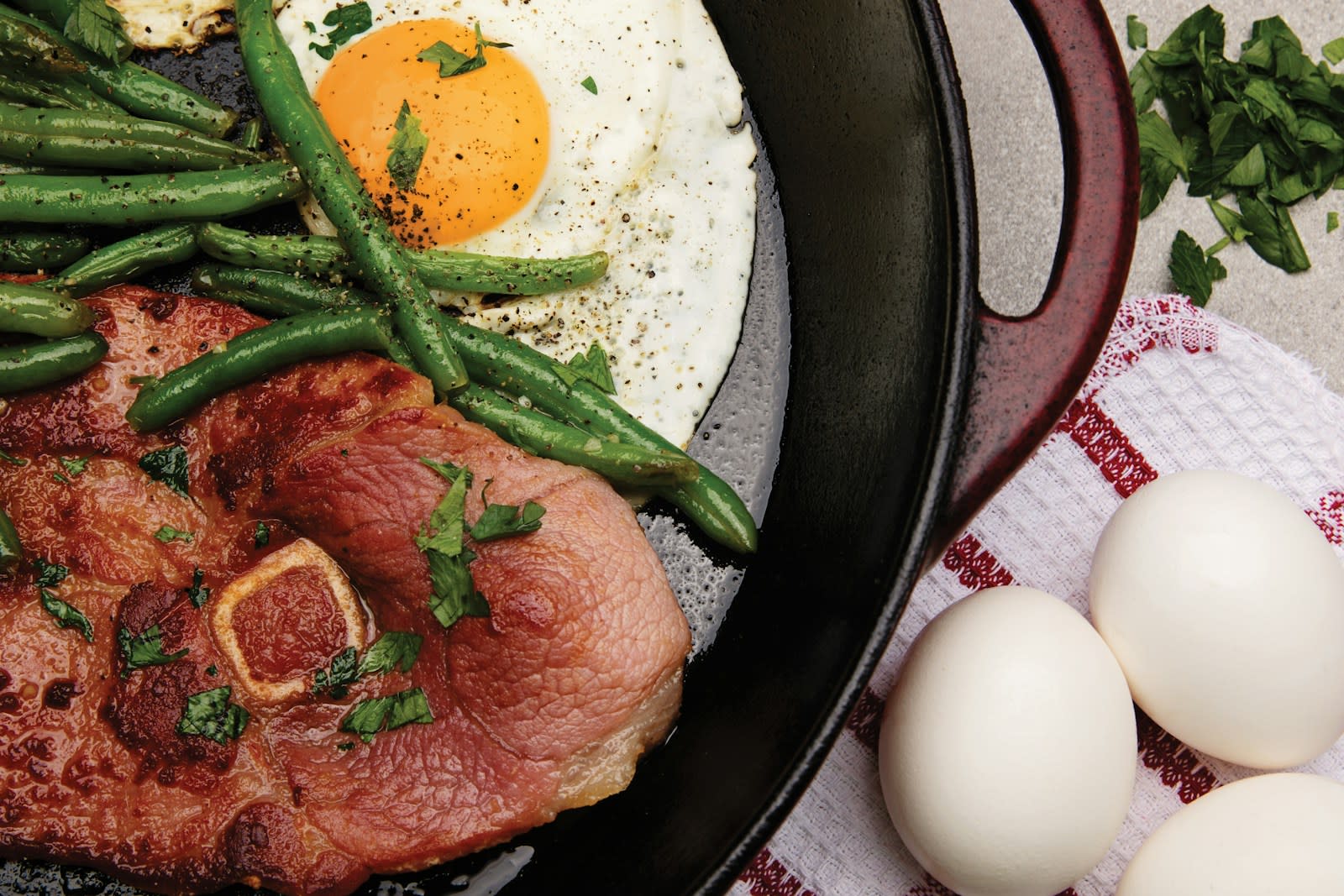
| 1. Unprocessed or minimally processed | Whole foods, sometimes cleaned, frozen, dried, pasteurized or ground, with nothing added | Fresh or frozen fruit and vegetables, eggs, plain milk, fresh meat and fish, dried beans, rice, oats, plain nuts |
| 2. Processed culinary ingredients | Things pressed, refined or extracted from group 1 foods and used in cooking | Olive oil, butter, sugar, salt, honey, flour |
| 3. Processed foods | Group 1 foods with group 2 ingredients added, usually to make them last longer or taste better | Canned vegetables in brine, canned fish, cheese, fresh bread made with flour, water, yeast and salt, salted nuts |
| 4. Ultra-processed foods | Industrial formulations made mostly from refined substances and additives, often with little whole food left | Soft drinks, packaged cookies and chips, flavored yogurts, sweetened cereals, hot dogs, frozen ready meals, most packaged sliced bread |
A simple way to think about it: groups 1 to 3 are things a cook could make or recognize. Group 4 needs a factory. In the US and the UK, ultra-processed foods now supply more than half of the calories adults eat.
How can you tell if a food is ultra-processed?
The ingredient list tells you more than the nutrition panel. A food is likely to be ultra-processed if it contains things you would not keep in your own cupboard, such as:
- High-fructose corn syrup, maltodextrin, dextrose or invert sugar
- Hydrogenated or interesterified oils
- Protein isolates, such as soy or whey protein isolate
- Emulsifiers, such as lecithins, mono- and diglycerides or carrageenan
- Flavorings, flavor enhancers, colorings or non-sugar sweeteners
Some products surprise people. Supermarket sliced bread, flavored yogurt, many plant-based meat alternatives, protein bars and breakfast cereals marketed as healthy usually count as ultra-processed under NOVA. A long list of ingredients is a hint, but not proof. A jar of tomato sauce with ten recognizable ingredients can be less processed than a soda with five.
There is no official US definition yet. In 2025, the FDA and the US Department of Agriculture asked the public for input on creating one, which shows how unsettled the term still is.
Are ultra-processed foods bad for you?
What the studies link them to
Most of the evidence comes from large observational studies that follow people for years and compare those who eat the most ultra-processed food with those who eat the least. In 2024, the BMJ published an umbrella review that pulled together earlier meta-analyses covering close to 10 million people. Higher intake was linked with 32 health problems. The most consistent links were with death from heart disease, type 2 diabetes, and anxiety and depression. Links with obesity, sleep problems and early death from any cause were also reported, although the review rated much of the evidence as weak or limited.
The strongest piece of experimental evidence is a small trial run at the US National Institutes of Health in 2019. Twenty adults lived at a research center for four weeks. For two weeks they were offered ultra-processed meals, and for two weeks minimally processed meals, matched for calories, sugar, fat, fiber and salt, and told to eat as much as they liked. On the ultra-processed diet, they ate about 500 calories more per day and gained roughly 2 pounds. On the minimally processed diet, they lost about the same amount.
Researchers have several ideas about why. Ultra-processed foods tend to be soft, energy-dense and quick to eat, so people may eat more before feeling full. They often push out fiber, fruit and vegetables. Some additives, such as certain emulsifiers, have changed gut bacteria and caused gut inflammation in animal studies, but whether the same happens in people at normal intakes is not known.
Where the evidence is weaker
Observational studies show association, not cause. People who eat a lot of ultra-processed food also tend to differ in income, smoking, exercise, sleep and stress, and statistics can only adjust for so much. Many studies rely on food questionnaires that were never designed to measure processing, and researchers do not always classify the same food the same way.
The category is also very broad. It puts whole-grain sliced bread in the same group as soda and hot dogs. When long-running Harvard studies split ultra-processed foods into subgroups, sugary drinks and processed meats drove most of the risk, while products such as breads, breakfast cereals and yogurt showed no harm or were linked with slightly lower risk of type 2 diabetes. And because many ultra-processed foods are high in salt, sugar and saturated fat and low in fiber, it is hard to separate the effects of processing from plain nutrition.
The NIH trial was small, short and done in a controlled setting. It needs repeating in more people over longer periods.
Is all processed food bad for you?
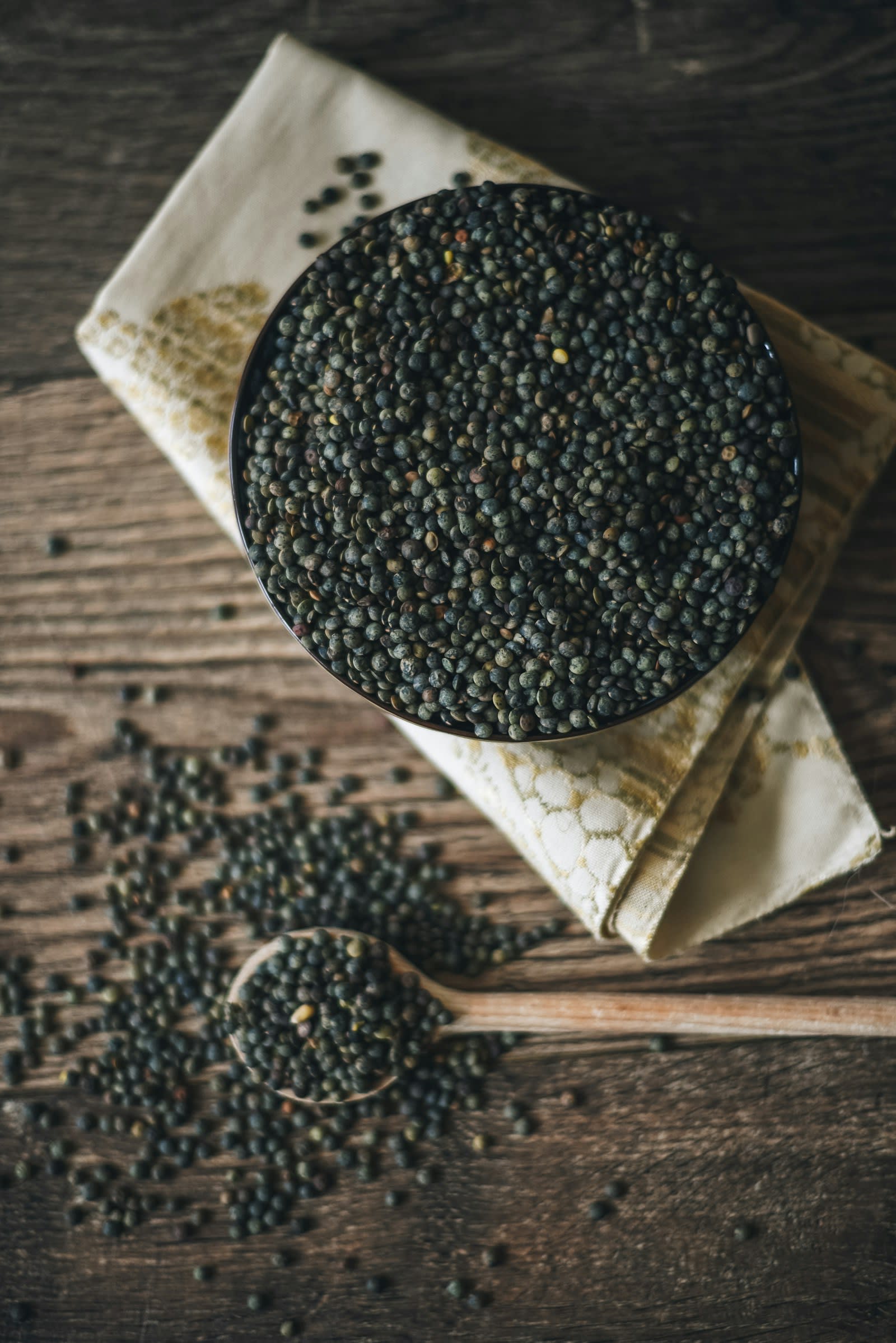
No. Processing covers everything from freezing peas to making a candy bar. Frozen vegetables and fruit are often frozen within hours of harvest and keep their nutrients well. Canned beans, lentils, tomatoes and fish are cheap, filling and easy to cook with. Plain yogurt, cheese, tofu, whole-grain pasta and pasteurized milk are all processed to some degree, and all fit into a healthy diet.
Even within NOVA group 4, quality varies a lot. A packaged whole-grain loaf with seeds is not the same as a pack of iced donuts. The WHO's advice on a healthy diet focuses on eating plenty of fruit, vegetables, legumes, nuts and whole grains while limiting salt, free sugars and certain fats, and that remains a sound guide whichever label a food carries.
What are easy swaps to eat fewer ultra-processed foods?
Aiming for zero is neither realistic nor necessary. Trading a few of the foods you eat most often makes a bigger difference than cutting out everything at once.
- Flavored yogurt: plain yogurt with fresh or frozen fruit and a small drizzle of honey
- Sweetened breakfast cereal: oatmeal with berries, or plain shredded wheat with sliced banana
- Soda: sparkling water with a slice of lemon or lime, or unsweetened iced tea
- Packaged snack bars: a handful of nuts and a piece of fruit
- Chips: popcorn made on the stove with a little oil and salt
- Chicken nuggets: strips of chicken breast coated in egg and breadcrumbs and baked
- Instant noodles: plain noodles with an egg, frozen vegetables and a splash of soy sauce
- Frozen ready meals: a double batch of chili or soup on the weekend, frozen in single portions
When should you see a doctor?
Changing what you eat is usually safe, but some people should talk to a doctor or registered dietitian first. That includes people taking insulin or other diabetes medicines, since a big diet change can shift blood sugar, and people with kidney disease, because phosphate additives in processed foods are absorbed easily and can be hard on damaged kidneys. People with heart failure or high blood pressure, food allergies, celiac disease, or who are pregnant should also get advice before major changes.
Seek help if worry about food starts to take over. Warning signs include:
- Anxiety or guilt after eating foods you consider "processed"
- Cutting out more and more foods or whole food groups
- Losing weight you did not intend to lose
- Skipping meals or social events because of food rules
These can be early signs of an eating disorder, and they are treatable, especially when caught early.
Frequently asked questions
Are plant-based meat alternatives ultra-processed?
Most are, under NOVA, because they are made from protein isolates, oils and binders. Their nutrition varies widely, especially in salt. Long-term research is limited, and some researchers argue they may still be a better choice than processed red meat.
Are artificial sweeteners ultra-processed?
Under NOVA, any product containing non-sugar sweeteners counts as ultra-processed. In 2023, WHO advised against using non-sugar sweeteners to control body weight, saying they show no long-term benefit for fat loss in adults or children. The guidance does not cover people who already have diabetes.
Is frozen food ultra-processed?
Plain frozen vegetables, fruit, fish and meat are minimally processed, group 1 foods. Frozen pizzas, breaded fish and ready meals usually are ultra-processed. The freezing itself is not the issue.
Are ultra-processed foods addictive?
Some researchers argue that foods high in both refined carbohydrates and fat can drive compulsive eating in a way that resembles addiction. "Food addiction" is not an official diagnosis, and the evidence is still early and debated.
References
- Processed Foods and Health, Harvard T.H. Chan School of Public Health
- Processed foods, NHS
- Ultra-Processed Foods, US Food and Drug Administration
- Healthy diet, World Health Organization
This article is general information, not medical advice. Check with a doctor before changing your diet, exercise or supplements. Read our medical disclaimer.

Comments
No comments yet. Questions and experiences are welcome.
Leave a comment
Your email is never published. Comments appear after a quick moderation check.