
What Is Spermidine? What the Research Shows About This Aging Compound
Spermidine is a natural compound found in wheat germ, aged cheese and soy. Animal studies are promising, but evidence in people is still limited. Here is what is known.
By Wellmarrow Editorial Team · Nov 3, 2026 · 6 min read · 3 sources cited
Key takeaways
- 1Spermidine is a polyamine your cells make and that you also get from wheat germ, aged cheese, soy and mushrooms.
- 2In animals it supports cell recycling and extended lifespan; human proof of a benefit is lacking.
- 3Human trials are small, short and mixed, and some are funded by sellers.
- 4Long-term supplement safety is unknown; ask a doctor first if pregnant, on medication or with cancer history.
- 5A diet of whole grains, legumes and vegetables is the lowest-risk way to get it.
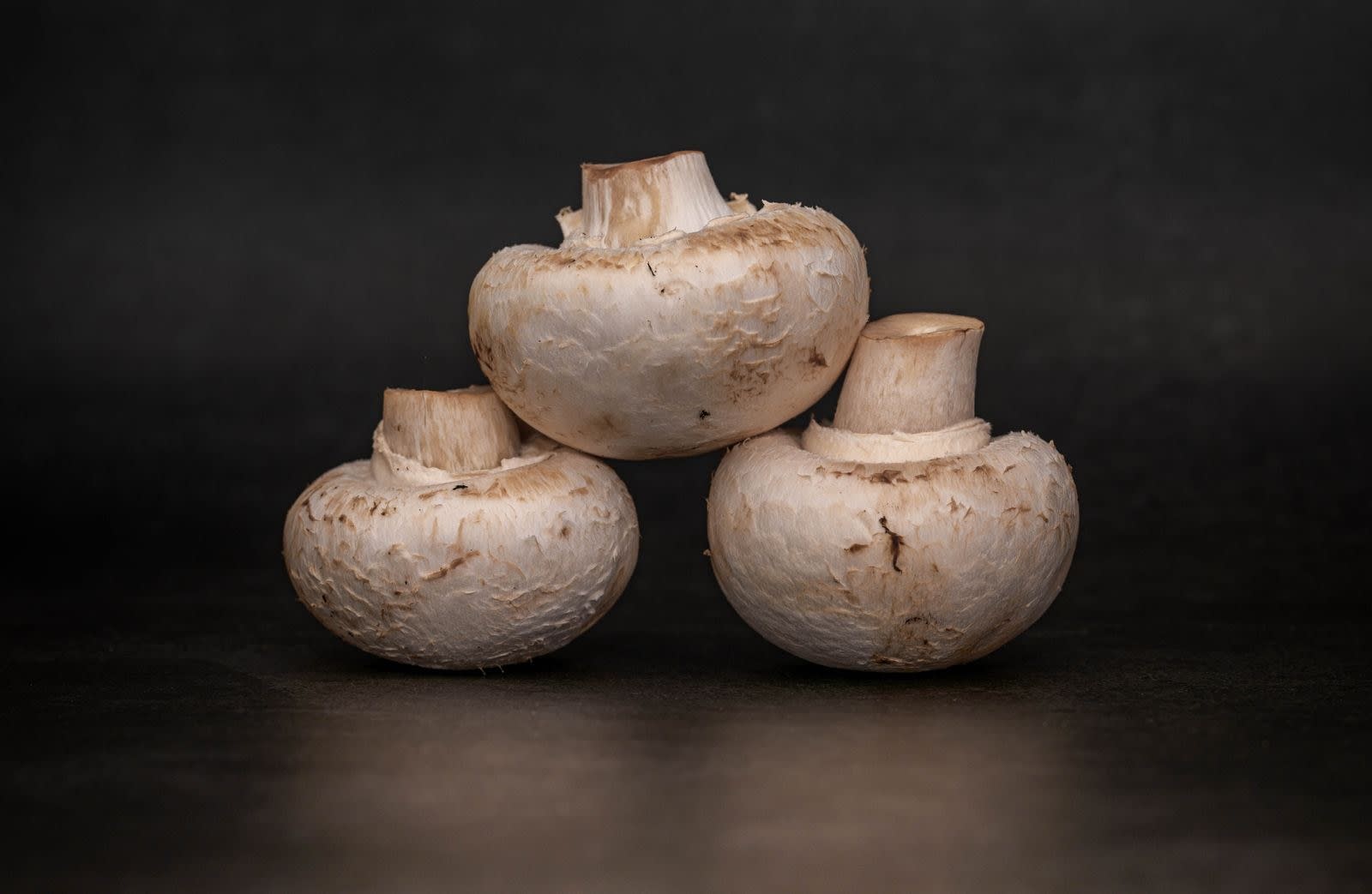
Spermidine is a polyamine, a small molecule that every cell in your body makes and uses to grow, divide and keep its internal machinery running. You also get some from food, mainly wheat germ, aged cheese, soy products, mushrooms and legumes. It has drawn attention because, in animal experiments, it triggers a cell-cleanup process called autophagy and extended lifespan, but good proof of a lifespan or health benefit in people does not exist yet.
What does spermidine do in the body?
Polyamines help cells copy DNA, build proteins and stay stable. Spermidine is one of the three main ones, alongside putrescine and spermine, and your body can make it from an amino acid called arginine. Gut bacteria produce some too, and food adds the rest.
The reason researchers care about it is autophagy, a Greek-derived word meaning "self-eating". Cells use it to break down worn-out parts and recycle the pieces. Think of it as a house-clearing routine that runs in the background. Autophagy is thought to slow down with age, and spermidine appears to help switch it on in cells grown in the lab and in animals.
Do spermidine levels drop as you age?
In some tissues, yes. Studies in animals and a few in people have found lower spermidine in older individuals than in younger ones. But the data are patchy, and the pattern is not the same in every organ. A lower level may be a sign of aging rather than a cause, and nobody has shown that restoring it reverses anything.
Which foods are high in spermidine?
Amounts vary a lot with the variety, ripeness and how the food was stored or processed, so any figure is approximate. Here is how the main sources compare in general terms.
| Food | Relative spermidine content | Everyday serving idea |
|---|---|---|
| Wheat germ | Among the highest | A spoonful stirred into oatmeal or yogurt |
| Aged cheese | High | A small wedge of mature cheddar or similar |
| Soybeans and natto | High | Tofu, edamame or fermented soybeans |
| Mushrooms | Moderate to high | A cup of sauteed mushrooms |
| Legumes, whole grains, corn | Moderate | A bowl of lentils or whole-grain bread |
| Green peas, broccoli, cauliflower | Moderate | A side of vegetables at dinner |
People eating a typical Western diet usually take in somewhere around 10 mg a day, though estimates differ between studies. Diets rich in whole grains, vegetables and legumes tend to supply more.
What does the research on spermidine show?
The strongest results come from animals. In yeast, worms, flies and mice, adding spermidine extended lifespan, and in mice it was linked with better heart and brain measures. That is where much of the excitement started. But treatments that help short-lived animals often fail in humans, and the doses and conditions are very different.
In people, the evidence is thin and mostly indirect:
- Observational data. A study in the community of Bruneck, Italy, followed several hundred adults for roughly 20 years and found that people who reported eating more spermidine-rich food had lower death rates. That shows a link, not cause. People who eat lots of whole grains, vegetables and legumes tend to live differently in many other ways.
- Memory trials. A small randomized trial in older adults with memory complaints gave a spermidine supplement for three months and reported some improvement in memory tests. A larger, longer trial of a year found no clear difference on its main memory measure compared with placebo.
- Heart and blood pressure. Early work links higher intake to lower blood pressure, but this comes largely from observational studies and animal research.
So the honest summary is this: the idea is plausible, the lab results are interesting, and the human trials so far are small, short and mixed. Some were also funded or supplied by companies that sell spermidine, which is a reason to wait for larger independent studies.
Is spermidine safe, and how much do people take?
Spermidine from food is part of ordinary eating, and nothing suggests problems at those levels. Supplements are different. Trials have generally used low daily doses of a few milligrams, often from a wheat germ extract, and the side effects reported were mild or similar to placebo. Long-term safety over many years has not been tested properly, and there is no official recommended intake because it is not an established nutrient.
One theoretical worry is that polyamines support cell growth in general, including growth of tumors. The evidence on whether extra spermidine helps or hinders existing cancers is unsettled and comes from lab work, but it is a good reason for people with a cancer history to ask a doctor first. Wheat germ extracts also contain gluten, which matters for anyone with celiac disease or a wheat allergy. Products can differ in how much spermidine the label claims and what they actually contain.
Is there a product that combines spermidine with other ingredients?
Yes, a few. IM8 Daily Ultimate Longevity is a blend aimed at healthy aging that puts spermidine together with NMN and resveratrol. The brand was co-founded by David Beckham and the health company Prenetics, and it sells this blend alongside a separate all-in-one powder; taking both is what it calls the Beckham Stack.
Read it as an experiment, not a proven anti-aging treatment. Each of those ingredients has promising lab results and limited human data, as described above. A blend costs money, is not needed by anyone, and does not stand in for food, sleep or exercise. If you take medication, are pregnant or breastfeeding, or have a medical condition, check with a doctor or pharmacist before adding it.
What helps healthy aging more reliably than spermidine?
The habits with the strongest track record are plain ones. Regular activity, including strength training twice a week, protects the heart, bones and balance. Not smoking, sleeping seven to nine hours, keeping a healthy weight and eating mostly whole foods show consistent benefits in large studies lasting years.
Notice that a diet built on whole grains, legumes, vegetables and mushrooms already brings spermidine along with fiber and other nutrients. If the compound matters at all, that is the lowest-risk way to get it.
When should you see a doctor?
Ask a doctor or pharmacist before taking a spermidine supplement if you are pregnant, trying to conceive or breastfeeding, have or have had cancer, take prescription medicine, have kidney or liver disease, or have celiac disease or a wheat allergy. Stop and get medical advice if you develop hives, swelling of the face or lips, severe stomach pain or vomiting after taking one.
Also book an appointment if you are worried about memory, tiredness or weakness. Thyroid disease, anemia, low vitamin B12, sleep apnea and depression can cause these symptoms, they are treatable, and a supplement will not fix them.
Frequently asked questions
Is spermidine related to sperm?
Only by name. Polyamines were first noticed in semen centuries ago, which is where the names come from, but they are found in all living cells and in plants. Supplements are made from plant sources such as wheat germ.
Is spermidine the same as spermine?
They are related but different. Both are polyamines, and the body can convert spermidine into spermine. Most of the aging research focuses on spermidine.
How long does spermidine take to work?
Nobody can say. Trials ran from a few months to a year, and results on memory and other outcomes were inconsistent. There is no reliable sign you would notice, and the research does not give a timeline.
Can you get enough spermidine from food alone?
You get some from food every day. There is no known deficiency and no target intake, so there is no established amount you need to reach. Eating more legumes, whole grains and mushrooms raises your intake in a way that also helps in other respects.
Brands mentioned
References
- What Do We Know About Healthy Aging?, National Institute on Aging
- Dietary Supplements, MedlinePlus
- Dietary Supplements: What You Need to Know, NCCIH
This article is general information, not medical advice. Check with a doctor before changing your diet, exercise or supplements. Read our medical disclaimer.


Comments
No comments yet. Questions and experiences are welcome.
Leave a comment
Your email is never published. Comments appear after a quick moderation check.