
Why Has My Weight Loss Stopped? Plateaus Explained
Weight loss often stalls because a lighter body needs fewer calories and small habits drift. Here is how to tell a real plateau from water weight, what to change and when to see a doctor.
By Daniel Hayes · Oct 31, 2026 · 7 min read · 5 sources cited
Key takeaways
- 1As you lose weight your daily energy needs fall, so a calorie target set at your starting weight slowly becomes maintenance.
- 2Day-to-day swings of 1 to 2 kg are usually water, so compare weekly averages over three to four weeks before calling it a plateau.
- 3Portion drift, cooking oil, drinks, weekends and fewer daily steps are common reasons a deficit quietly disappears.
- 4Recalculating your target, weighing food for a couple of weeks, eating more protein and lifting weights are the most useful changes.
- 5An underactive thyroid, some medications and fluid retention can affect weight, so a long unexplained stall is worth discussing with a doctor.
A weight loss plateau usually happens because your body now needs fewer calories than when you started, so the deficit that worked a few months ago has shrunk or gone. Small, unnoticed increases in what you eat and drops in daily movement often close the rest of the gap. Most plateaus can be broken by recalculating your needs, tightening up portions for a few weeks and adding strength training, though a few have a medical cause worth checking.
Is it a real plateau or just water weight?
Before changing anything, make sure the stall is real. Body weight swings up and down by 1 to 2 kg (2 to 4 lb) from day to day for reasons that have nothing to do with fat. A salty takeout meal, a bigger carbohydrate day, a hard leg workout, constipation, a long flight or hormonal changes can all make you hold extra water for a few days.
The same thing explains why the first week or two of a diet often looks so impressive. Your body stores carbohydrate as glycogen, and each gram of glycogen is held with roughly 3 grams of water. When you eat less, some of that store is used up and the water goes with it. Once that settles, the pace naturally slows to fat loss alone, which is much steadier.
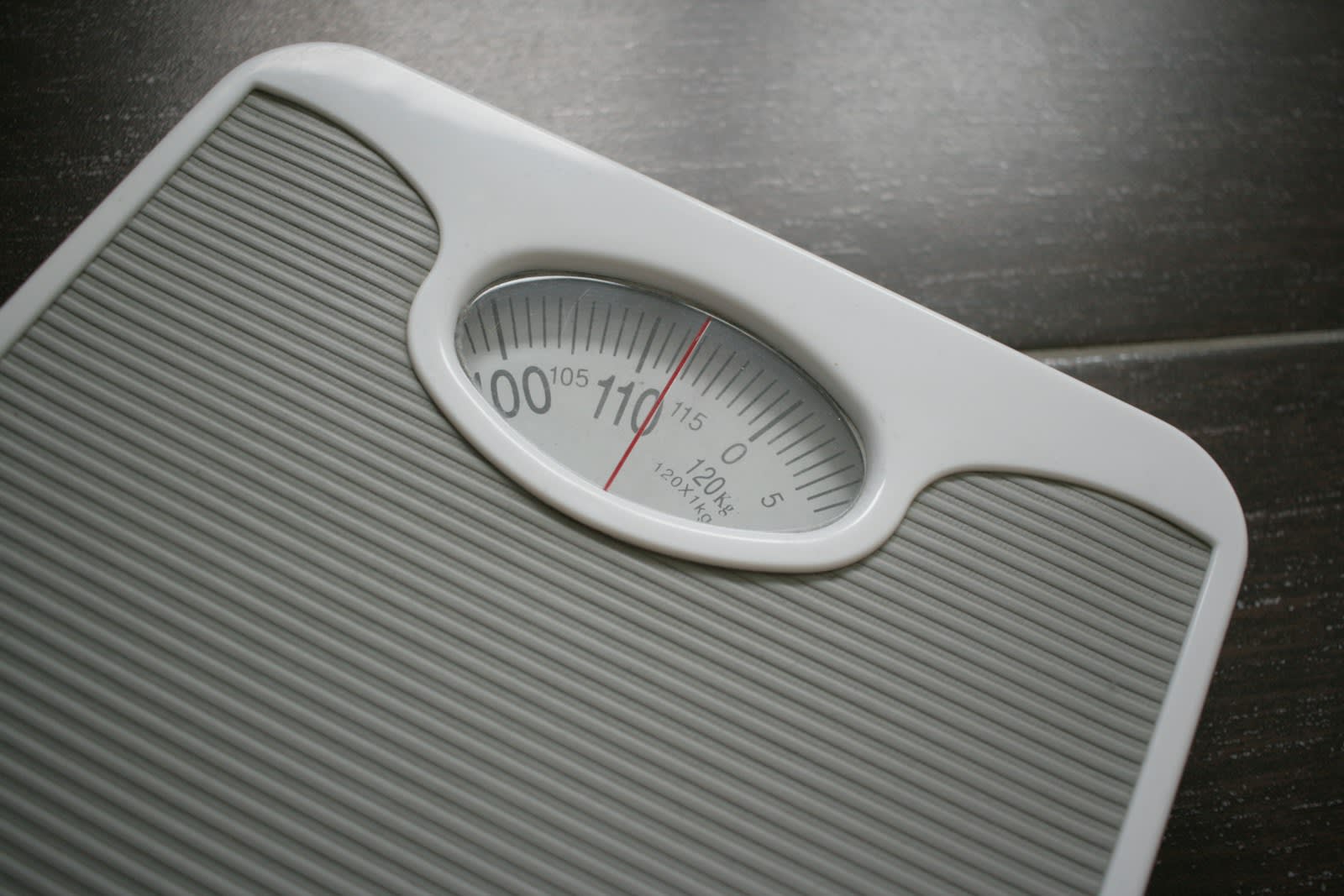
A practical rule: weigh yourself at the same time each morning, after using the bathroom, and compare weekly averages rather than single days. If the weekly average has not moved for three to four weeks, and your waist measurement has not changed either, you are probably on a true plateau.
Why does weight loss slow down over time?
The biggest reason is simple. A smaller body uses less energy. It takes less fuel to keep 80 kg running than 95 kg, and less energy to carry it up the stairs or around the supermarket. Each kilogram you lose trims your daily needs a little, so a plan built around your starting weight slowly turns into a maintenance plan.
On top of that comes what researchers call adaptive thermogenesis. When you have been eating less for a while, your body tends to spend a bit less energy than would be expected from the weight change alone. You may fidget less, move more slowly and feel more tired, often without realizing it. Levels of leptin, a hormone that signals energy stores, fall, and hunger signals tend to rise. How large this effect is varies a lot between people, and in many studies it is modest, but it adds to the slowdown.
Muscle loss can play a part too. If you have been dieting without much protein or strength work, some of the weight you lost may be muscle, and that lowers your energy needs further.
Am I eating more than I think?
Very often, yes. This is not about willpower. Studies comparing food diaries with precise lab measures consistently find that people underreport what they eat, sometimes by hundreds of calories a day. And after a few months, habits drift. This is sometimes called tracking creep.
The usual suspects are small and easy to miss:
- Cooking oil poured straight from the bottle. One tablespoon is about 120 calories, and a free pour is often two or three.
- Portions of pasta, rice and cereal that slowly grow without being weighed.
- Peanut butter on a spoon, cheese while cooking, the last bites of a child's meal.
- Drinks: milky coffees, juice, alcohol. A large glass of wine can be around 200 calories.
- Weekends. Two relaxed days can cancel out much of the deficit from the five careful ones.
Daily steps also tend to fall when people diet, especially in winter or a busy month at work. Dropping from 9,000 to 5,000 steps a day can mean roughly 150 to 200 fewer calories burned for many adults.
Can sleep and stress stop weight loss?
They can make it harder. Short sleep is linked with higher hunger, stronger cravings for high-calorie food and more late-night snacking. In short lab studies, people kept to around five hours of sleep tended to eat more the next day. Being tired also makes you less likely to cook or exercise.
Long-term stress works in similar ways. Some people eat more when stressed, and the stress hormone cortisol may affect appetite and where fat is stored. Much of this evidence comes from observational studies and short experiments, so it is hard to say how big the effect is for any one person. Still, most adults need 7 to 9 hours of sleep, and if you are getting six or less, fixing that is a sensible place to start.
How do you break a weight loss plateau?
Change one or two things at a time for three to four weeks, then check your weekly averages again. These are the steps that tend to help most.
- Recalculate your needs at your current weight. If you set your calorie target when you were 10 kg heavier, it is probably out of date. A new deficit of around 300 to 500 calories below your current maintenance usually restarts progress.
- Measure for two weeks. Weigh foods such as oil, rice, pasta, nuts and cereal with a kitchen scale for a short period, and write down drinks and weekend meals. You do not need to do this forever. It just resets your sense of portion size.
- Raise protein. Aim for a good source at every meal: eggs, Greek yogurt, fish, chicken, beans, lentils or tofu. Many weight-loss studies use around 1.2 to 1.6 g of protein per kilogram of body weight a day. Protein helps with fullness and protects muscle. People with kidney disease should ask their doctor first.
- Add or step up strength training. Two or more sessions a week, working the legs, back, chest and arms. Gaining or keeping muscle helps your energy use and your shape, even when the scale is slow.
- Bring your steps back up. A 20-minute walk after lunch and dinner adds up to several thousand steps without feeling like formal exercise.
- Look at sleep. A regular bedtime, a cooler, darker room and less caffeine after midday are all simple places to start.
Some people also take a planned break of one to two weeks at maintenance calories before starting another deficit. Research on these diet breaks is limited and mixed, but they can make a long diet easier to stick with. What does not help is slashing calories very low out of frustration. That tends to bring more hunger, more muscle loss and a higher chance of rebound.
When is a plateau actually fine?
A plateau is not always a problem to fix. If you have lost 5 to 10 percent of your starting weight, you have probably already improved your blood pressure, blood sugar and cholesterol, and keeping that weight off is a real success. Many people reach a point where further loss would require a diet they cannot enjoy, and maintaining is the better choice.
It may also be fine if the scale is still but other things are improving: your waist is smaller, your clothes fit better, your strength is going up or your energy is better. That pattern is common when people start lifting weights.
When should you see a doctor?
If your weight has not shifted for two months or more despite a careful plan, or if you are gaining weight without a clear reason, it is worth a check-up. A few medical causes can make losing weight harder:
- Underactive thyroid (hypothyroidism). Signs include tiredness, feeling cold, constipation, dry skin, weight gain and low mood. A simple blood test can check it.
- Medications. Some antidepressants, antipsychotics, steroid tablets, insulin, certain epilepsy medicines and some beta blockers can increase appetite or weight. Do not stop any medicine on your own; ask your doctor whether there is an alternative.
- Fluid retention. Swollen ankles or legs, breathlessness or sudden weight gain over a few days can be signs of heart, kidney or liver problems and need prompt attention.
- Hormonal conditions such as polycystic ovary syndrome or, rarely, Cushing's syndrome.
Also talk to a doctor or dietitian if you have diabetes, are pregnant or breastfeeding, or have kidney or liver disease before cutting calories further. If you find yourself eating less and less, exercising to make up for meals or feeling panicked by the scale, ask for help. Those can be signs of an eating disorder.
Frequently asked questions
How long does a weight loss plateau usually last?
It depends on the cause. A stall caused by water retention often clears within one to two weeks. A plateau caused by a shrinking deficit will last until you change something, whether that is intake, activity or both.
Should I eat more to break a plateau?
Eating more will not make you lose weight faster on its own. If you have been eating very little and feel exhausted, moving up to a moderate deficit may help you train harder and stick with your plan. That is about sustainability, not a metabolic trick.
Can you gain muscle and lose fat at the same time?
Yes, especially if you are new to strength training or returning after a long break. In that case the scale may barely move while your body shape changes. A tape measure and progress photos give a better picture than weight alone.
Is it normal to plateau after losing a lot of weight quickly?
Yes. Fast early losses often include a lot of water and some muscle, and they lower your energy needs quickly. A slowdown after the first two or three months is expected on almost any diet.
References
- Factors Affecting Weight & Health, NIDDK
- Body Weight Planner, NIDDK
- Underactive thyroid (hypothyroidism), NHS
- Tips to help you lose weight, NHS
- Weight Control, MedlinePlus
This article is general information, not medical advice. Check with a doctor before changing your diet, exercise or supplements. Read our medical disclaimer.


Comments
No comments yet. Questions and experiences are welcome.
Leave a comment
Your email is never published. Comments appear after a quick moderation check.