
What Is Good Sleep Hygiene? 12 Habits That Help You Sleep
Twelve practical sleep hygiene habits, from a fixed wake-up time and morning light to caffeine timing and a cool bedroom, plus what to do when you cannot fall asleep and when insomnia needs CBT-I.
By James Carter · Oct 31, 2026 · 8 min read · 5 sources cited
Key takeaways
- 1Waking at the same time every day, weekends included, does more to steady your sleep than any single bedtime trick.
- 2Caffeine lingers for hours, so cutting it off by early afternoon helps many people fall asleep sooner.
- 3Alcohol may help you nod off, but it makes the second half of the night lighter and more broken.
- 4If you cannot sleep after about 20 minutes, get up and do something calm in dim light until you feel sleepy.
- 5Chronic insomnia is best treated with CBT-I, a structured talking therapy recommended ahead of sleeping pills.
Good sleep hygiene means daily habits and a bedroom setup that make it easier to fall asleep and stay asleep. The habits with the best support are a fixed wake-up time, morning daylight, no caffeine after early afternoon, little or no alcohol in the evening, and a cool, dark, quiet bedroom. If you still have trouble sleeping at least three nights a week for three months, the first-line treatment is cognitive behavioral therapy for insomnia (CBT-I), not more tips.
Does sleep hygiene actually work?
For everyday poor sleep, these habits help many people, and they cost nothing. Studies of caffeine, alcohol, light and irregular schedules show clear effects on how quickly people fall asleep and how deep their sleep is.
The honest caveat: for long-standing insomnia, sleep hygiene on its own has only modest effects in trials. It works best as the base layer of a fuller plan. Think of it as removing the things that get in the way of sleep, rather than a switch that makes sleep happen.
Start with two or three habits that fit your life, keep them for two weeks, and then add more. Changing everything at once rarely lasts.
What should you do during the day to sleep better at night?
Much of a good night is set up hours before you go to bed. These first five habits work on your body clock and on "sleep pressure," the drive to sleep that builds the longer you are awake.
1. Get up at the same time every day
A fixed wake-up time is the single most useful habit. Your body clock sets itself largely by when you wake and see light. Pick a time you can keep on weekdays and weekends, give or take about an hour, and stick to it even after a bad night. Bedtime then tends to fall into place.
2. Get daylight in the morning
Bright light early in the day tells your brain it is morning and helps you feel sleepy at the right time in the evening. Fifteen to 30 minutes outside within an hour or two of waking works well. Even an overcast morning is many times brighter than a typical office or kitchen.
3. Stop caffeine by early afternoon
Caffeine has a half-life of around 5 hours in most adults, and longer in some people, during pregnancy and with some medicines. In one lab study, a large dose taken 6 hours before bed still cut sleep by about an hour. A good rule is no coffee, strong tea, cola or energy drinks after about 2 p.m., or 8 hours before your bedtime.
4. Move your body most days
Regular physical activity is linked to falling asleep faster and sleeping more deeply. A brisk 30-minute walk, where you can talk but not sing, is enough to count. Most people sleep fine after evening exercise, but if a hard workout late at night leaves you wired, move it earlier.
5. Keep naps short and early
A nap of 20 to 30 minutes before about 3 p.m. can help after a short night without hurting the next one. Longer or later naps use up the sleep pressure you need at bedtime. If you have insomnia, it is usually better to skip naps altogether for a while.
What should you do in the evening before bed?
The last few hours of the day are about letting your body wind down.
6. Go easy on alcohol
Alcohol can make you drowsy, but as the body breaks it down later in the night, sleep becomes lighter and broken, and REM sleep is suppressed. It also relaxes throat muscles and can worsen snoring and sleep apnea. If you drink, keep it moderate and finish at least 3 to 4 hours before bed.
7. Finish big meals 2 to 3 hours before bed
A heavy, spicy or fatty dinner close to bedtime can cause heartburn when you lie down. If you are hungry later, a small snack such as a banana or a slice of toast is fine. Cutting back on drinks in the last hour or two also means fewer trips to the bathroom.
8. Build a 30 to 60 minute wind-down
Your brain needs a buffer between a busy evening and sleep. Dim the lights and do the same few calm things each night: a warm shower, light stretching, reading a paper book, or writing tomorrow's to-do list so it is not running through your head. The routine itself becomes a cue for sleep.
9. Put screens away before bed
Phones, tablets and laptops give off light that can delay the body's release of melatonin, though the size of that effect from normal use is smaller than often claimed. The bigger issue is what you are doing: scrolling, email and games keep the mind alert and make it easy to stay up later than planned. Aim to stop at least 30 to 60 minutes before bed, and charge your phone outside the bedroom if you can.
What is the best bedroom temperature for sleep?
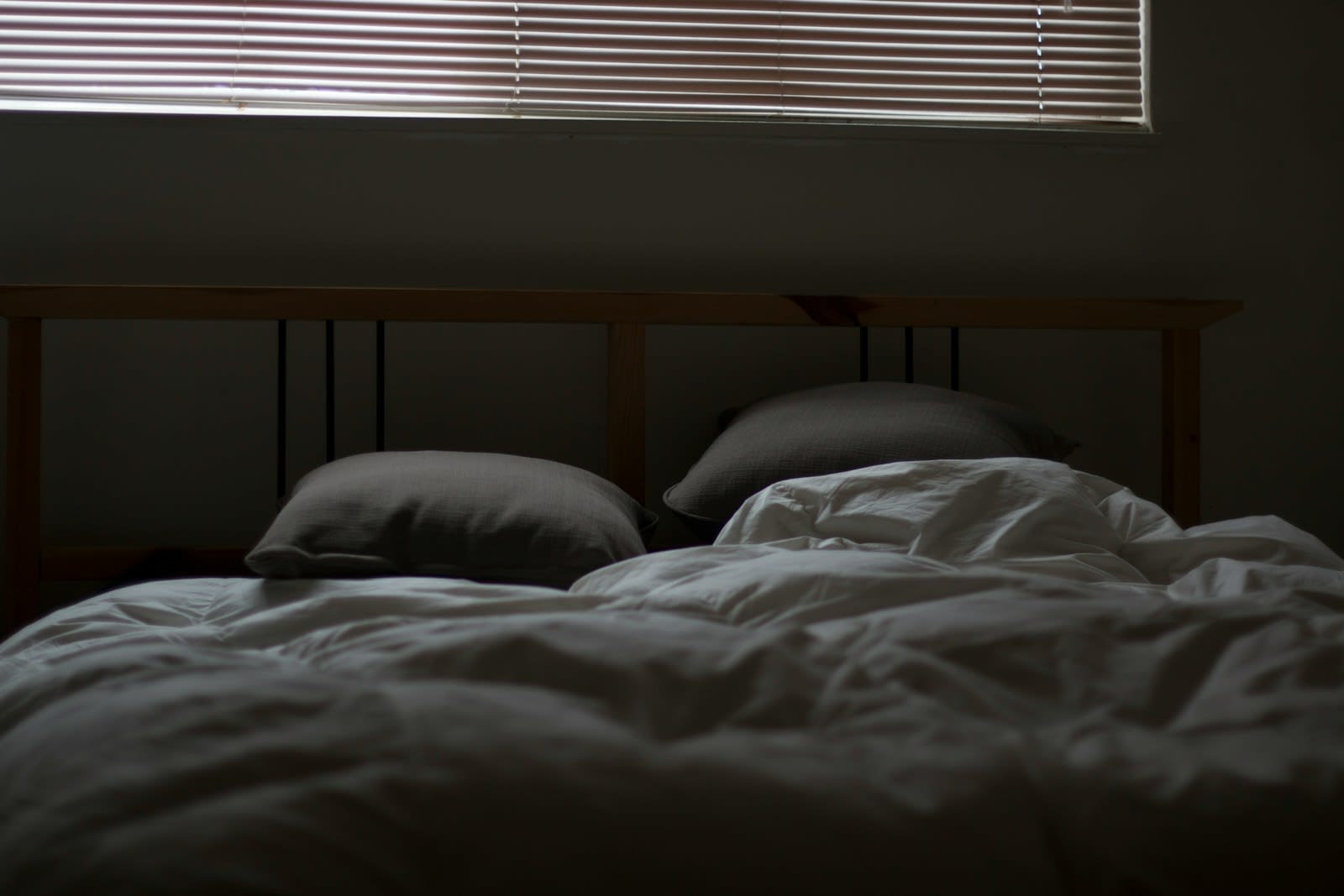
Most people sleep best in a cool room, around 60 to 67°F (about 16 to 19°C). Your core temperature naturally falls as you drift off, and a warm room works against that. The remaining habits are about the room itself.
10. Keep the bedroom cool
Turn the heating down at night, use lighter bedding in summer, and open a window or use a fan if the room gets stuffy. Cold feet can keep some people awake, so socks are a reasonable fix.
11. Make it dark and quiet
Blackout curtains or an eye mask help, especially in summer or near street lights. Cover or turn away glowing displays. For noise, earplugs or a steady background sound such as a fan can mask traffic or a snoring partner.
12. Use your bed only for sleep and sex
If you often work, watch TV or lie awake worrying in bed, your brain starts to link the bed with being alert. Keep those activities in another room. It also helps to turn the clock away from you, since checking the time at 3 a.m. tends to make people more anxious and more awake.
What should you do if you cannot fall asleep?
Do not lie there trying harder. Effort is the enemy of sleep. If you have been awake for what feels like about 20 minutes, get up, go to another room and do something quiet in dim light, such as reading or folding laundry. Go back to bed only when you feel sleepy. Repeat as needed.
A few other things help in the moment:
- Slow breathing: breathe in for about 4 seconds and out for about 6, for a few minutes
- Relaxing your muscles one group at a time, from your feet up
- Writing down whatever is on your mind, then setting it aside for the morning
- Keeping your wake-up time the next day, even if you slept badly
Over-the-counter sleep aids are not a good long-term answer. Many contain antihistamines that can leave you groggy the next day and are best avoided by older adults because of the risk of confusion and falls.
When are sleep habits not enough?
Insomnia that happens at least three nights a week and lasts three months or more is called chronic insomnia. For this, medical guidelines in the US and UK recommend cognitive behavioral therapy for insomnia (CBT-I) as the first treatment, ahead of sleeping pills.
CBT-I is a structured program, usually 4 to 8 sessions with a trained therapist, in a group, or through a digital program. It goes beyond basic sleep hygiene. It often includes a period of sleep restriction, where time in bed is cut back to match the time you actually sleep and then gradually extended, along with techniques for the racing thoughts and worry about sleep that keep insomnia going. It can feel harder for the first week or two, but its benefits tend to last longer than those of sleeping pills.
When should you see a doctor?
See a doctor if poor sleep has lasted more than a few weeks and is affecting your days, or if better habits have not helped. Go sooner if you notice:
- Loud snoring, gasping or pauses in breathing at night
- Falling asleep at the wheel or during conversations
- An uncomfortable urge to move your legs in the evening
- Low mood, anxiety, or waking very early and being unable to get back to sleep
- Sleep problems that started with a new medicine
Ask a doctor or pharmacist before taking any sleep aid or supplement if you are pregnant or breastfeeding, take other medicines (especially antidepressants, blood thinners or pain medicines), are over 65, or have liver, kidney, heart or lung disease.
Frequently asked questions
How long does it take for sleep hygiene changes to work?
Some changes, like cutting late caffeine or alcohol, can help within a few nights. Shifting your body clock with a fixed wake-up time and morning light usually takes one to two weeks of consistency. Judge the results over a couple of weeks, not one night.
Does a warm bath before bed help you sleep?
For many people, yes. A warm bath or shower about 1 to 2 hours before bed draws heat to the skin, and the cooling that follows seems to help people fall asleep a little faster. It also works well as part of a wind-down routine.
Is reading in bed bad for sleep?
A paper book or an e-reader with a dim, warm screen is fine for most people and can be a good wind-down. If you have insomnia, it is better to read in another room and only go to bed when you are sleepy, so the bed stays linked with sleep.
Can you train yourself to need less sleep?
No. You can get used to feeling tired, but studies show that performance keeps slipping on short sleep even when people feel they have adjusted. The aim of sleep hygiene is better sleep, not less of it.
References
- Sleep Deprivation and Deficiency - Healthy Sleep Habits, National Heart, Lung, and Blood Institute
- Insomnia - Treatment, National Heart, Lung, and Blood Institute
- Insomnia, NHS
- Sleep and Older Adults, National Institute on Aging
- Insomnia: MedlinePlus Medical Encyclopedia, MedlinePlus
This article is general information, not medical advice. Check with a doctor before changing your diet, exercise or supplements. Read our medical disclaimer.


Comments
No comments yet. Questions and experiences are welcome.
Leave a comment
Your email is never published. Comments appear after a quick moderation check.