
Resveratrol: What Does the Research Actually Show?
Resveratrol comes from grape skins and berries and is sold as an anti-aging supplement. Human trials show small effects at best. Here is the evidence, doses and safety limits.
By Oliver Bennett · Oct 31, 2026 · 6 min read · 3 sources cited
Key takeaways
- 1Resveratrol is a plant compound from grape skins, berries and peanuts, but food supplies very little.
- 2Human trials show small, inconsistent effects, mainly on blood sugar in people with diabetes.
- 3There is no human evidence that it extends life or prevents cancer.
- 4High doses can cause digestive upset and may interact with blood thinners and other drugs.
- 5Exercise, sleep and a Mediterranean-style diet have much stronger evidence.
This article contains affiliate links: we may earn a commission when you buy through them, at no extra cost to you. It never changes what we write. How we make money.
Resveratrol is a plant compound found in grape skins, red wine, peanuts and berries. Despite years of headlines, its proven benefits in people are small: some trials show modest drops in blood sugar or blood pressure in certain groups, but there is no solid evidence that it extends life or prevents disease. Most of the dramatic results come from cells and animals, usually at doses far above what you get from food.
What is resveratrol and where does it come from?
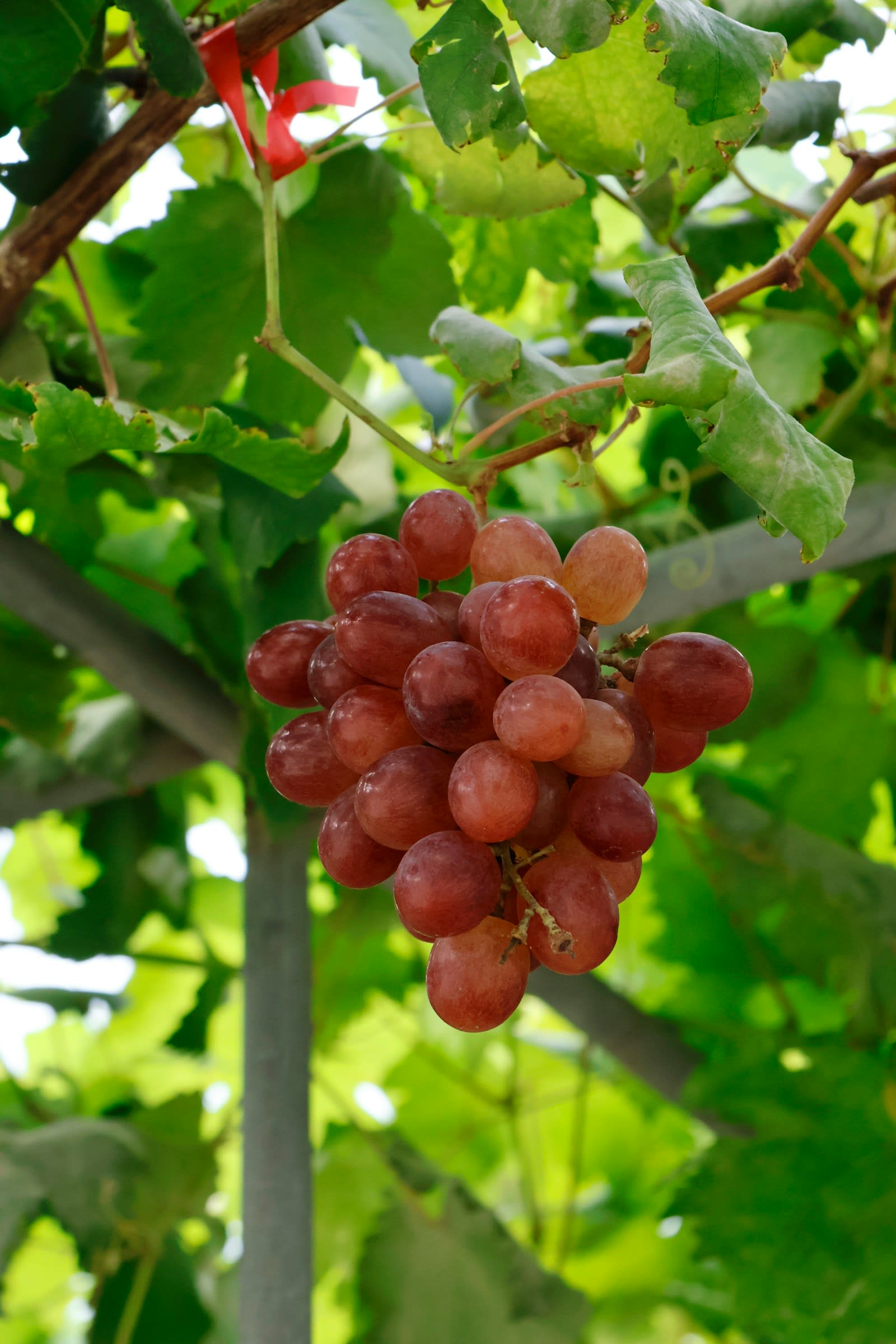
Plants make resveratrol as a defense when they are stressed by fungi or UV light, which is why it concentrates in grape skins. Red wine contains roughly 0.2 to 2 mg per liter in many analyses, a very small amount. Peanuts, pistachios, cocoa, blueberries and cranberries contain even less per serving.
Supplements are different. Capsules typically hold 100 mg to 500 mg, with some products reaching 1,000 mg or more, and many are made from Japanese knotweed rather than grapes. Getting that amount from wine would mean drinking hundreds of glasses.
Why did resveratrol become famous?
Two ideas gave it a boost. First, the "French paradox": the observation that people in France had relatively low rates of heart disease despite a diet rich in saturated fat, which some attributed to red wine. Second, laboratory work in the 2000s suggesting resveratrol activated sirtuins, enzymes tied to longevity in yeast and worms, and extended the life of mice on a high-fat diet.
Later work complicated both stories. The French paradox likely owes more to diet, data collection and lifestyle than to one compound. And later studies in normal-weight mice failed to repeat the lifespan result. Researchers have also found that resveratrol is poorly absorbed: the body breaks most of it down quickly, so blood levels stay low.
What are the proven benefits of resveratrol?
Here is what human trials, mostly small and short, have found so far.
| Area | What studies show | Strength of evidence |
|---|---|---|
| Blood sugar | Some reduction in fasting glucose and HbA1c in people with type 2 diabetes, but not in healthy people | Moderate-to-weak, results vary |
| Blood pressure | Small drops in systolic pressure at higher doses in some reviews | Weak |
| Cholesterol | Inconsistent, usually little change | Weak |
| Joint pain and inflammation | A few small trials hint at modest relief | Very weak |
| Lifespan and aging | No human evidence | None |
| Cancer prevention | Promising in cell studies, not shown in people | None in humans |
Even where there is a signal, the effect is small compared with what you get from exercise, weight loss or standard medication, and most trials are too short to show whether anything lasts.
Does resveratrol help the heart?
Reviews of randomized trials have found small improvements in some heart-related measures, mainly in people who already had diabetes or metabolic problems. In healthy adults the results are mostly flat. No large trial has shown that taking resveratrol lowers the chance of a heart attack or stroke.
The heart benefits attributed to red wine are better explained by overall pattern. A Mediterranean-style diet with vegetables, olive oil, legumes and fish has far stronger evidence behind it. Alcohol itself carries risks, including higher rates of some cancers, so health organizations do not recommend drinking wine for health.
Another wrinkle is how the studies were done. Doses ranged from about 10 mg to over 2,000 mg a day, people were studied for weeks to a year, and the participants differed a lot, from healthy volunteers to people with diabetes or obesity. Lumping all of that together into one verdict is hard, which is part of why reviews keep reaching cautious, mixed conclusions.
Is resveratrol safe, and how much is too much?
At doses up to about 500 mg a day, resveratrol is generally well tolerated in short studies. Higher doses, around 1,000 mg a day and above, more often cause nausea, diarrhea, stomach pain and bloating. One trial of very high doses in people with multiple myeloma was stopped early because of kidney problems, so very large amounts should be avoided.
Resveratrol can also affect how the body handles some medicines. It may slow blood clotting, so it could add to the effect of blood thinners such as warfarin, and it may alter how the liver processes certain drugs. It has weak estrogen-like activity in the lab, which is one reason people with hormone-sensitive cancers are told to check first. There is no recommended daily amount, and long-term safety is not established.
Is there a supplement that pairs resveratrol with other ingredients?
Resveratrol is rarely sold on its own these days; it tends to come bundled with other compounds studied for aging. One example is IM8 Daily Ultimate Longevity, which combines it with NMN and spermidine in a single daily product. That saves buying three separate tubs, but it does not change the evidence picture above: the human data for each ingredient is still thin.
Keep expectations realistic. Research on all three ingredients is early, the products cost money, and none of this replaces food, exercise or sleep. Anyone who takes blood thinners or other regular medication, is pregnant, or lives with a health condition should check with a doctor or pharmacist before trying it.
What gives you more benefit than a resveratrol pill?
If the goal is the polyphenols themselves, whole foods deliver them along with fiber, vitamins and other compounds. A handful of berries, a piece of dark chocolate, some unsalted peanuts or a bunch of grapes will not match a capsule's dose, but they come with a track record of better health in large population studies.
Beyond that, the unexciting basics do the heavy lifting: 150 minutes a week of moderate activity, two strength sessions, plenty of vegetables and fruit, and not smoking.
If you decide to try it anyway, keep the dose within the range used in studies, choose a product that has been tested by an independent lab, and give it a fixed trial period of a few months. Track something measurable, such as fasting blood sugar or blood pressure readings, so you can tell whether it did anything. If nothing changes, there is little reason to keep paying for it.
When should you see a doctor?
Ask a doctor or pharmacist first if you take blood thinners, aspirin daily, or any prescription drug, if you have kidney or liver disease, a hormone-sensitive condition such as some breast or ovarian cancers, or if you are pregnant or breastfeeding. Stop the supplement and get care if you develop unusual bruising or bleeding, severe diarrhea, a rash or swelling of the face or throat, or yellowing of the skin or eyes.
Also see a doctor for high blood sugar or blood pressure instead of relying on a supplement. Both need proper monitoring and treatment, and the evidence for resveratrol is far too weak to stand in for either.
Frequently asked questions
Does red wine have enough resveratrol to matter?
Almost certainly not. A glass contains a fraction of a milligram to a couple of milligrams, while studies of supplements use tens to hundreds of times more. Since alcohol has its own health risks, wine is not a sensible way to get it.
Can resveratrol help with weight loss?
Trials have found little to no effect on body weight in people. Any early excitement came mainly from animal studies using high doses.
Is trans-resveratrol better than other forms?
Trans-resveratrol is the form found in plants and used in most studies, so it is the one with research behind it. Claims that a particular form or coating is far better absorbed are mostly based on small or industry-funded studies.
Should it be taken with food?
Resveratrol dissolves better in fat, and some studies had participants take it with meals. Taking it with food may also reduce stomach upset, which is the most common complaint.
Brands mentioned
Affiliate link: we may earn a commission at no extra cost to you.
References
- Dietary Supplements for Older Adults, National Institute on Aging
- Using Dietary Supplements Wisely, NCCIH
- Dietary Supplements, FDA
This article is general information, not medical advice. Check with a doctor before changing your diet, exercise or supplements. Read our medical disclaimer.

Comments
No comments yet. Questions and experiences are welcome.
Leave a comment
Your email is never published. Comments appear after a quick moderation check.