
Are Greens Powders Worth It? What They Can and Can't Do
Greens powders are a convenient extra for some people, but the evidence behind them is thin and they do not replace vegetables. Here is what they contain, who might use one and the risks.
By Daniel Hayes · Oct 31, 2026 · 6 min read · 4 sources cited
Key takeaways
- 1A greens powder is an optional extra for most healthy adults, not a necessity.
- 2Evidence for whole vegetables is strong; evidence for powders is limited and mostly short-term.
- 3Many blends hide ingredient amounts, and quality and contamination vary by brand.
- 4Leafy-green powders can interfere with warfarin; ask a doctor if you take medication.
- 5Frozen vegetables are a cheap, effective way to reach five portions a day.
This article contains affiliate links: we may earn a commission when you buy through them, at no extra cost to you. It never changes what we write. How we make money.
For most healthy adults, a greens powder is a convenient extra, not a necessity. It can add a small amount of vitamins, minerals and plant compounds to your day, but it does not replace vegetables, and no good trial has shown that it prevents disease. If you already eat around five portions of fruit and vegetables a day, the benefit is probably small.
What is actually in a greens powder?
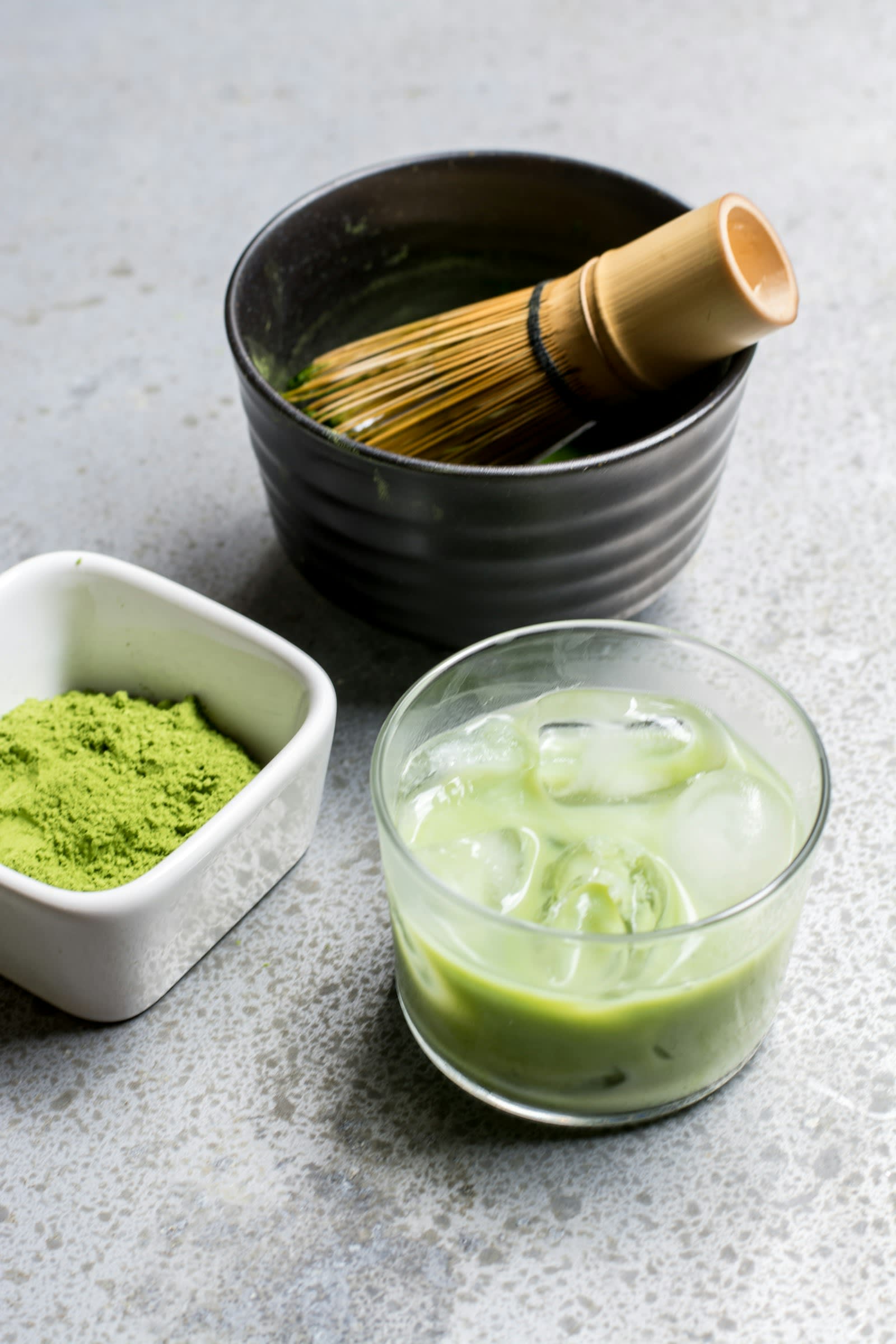
The label varies a lot from one tub to the next, which is the first problem. Most blends start with dried and ground leafy plants such as spinach, kale, barley grass, wheatgrass or alfalfa, and many add algae (spirulina or chlorella), fruit powders, digestive enzymes, probiotics and added vitamins and minerals.
Drying and grinding does keep some nutrients, but a scoop of about 5 to 10 grams is a tiny amount of plant material. A single cup of raw spinach weighs about 30 grams before drying. So the "equal to five servings of vegetables" claim you sometimes see should be read with caution. Even when the math works on paper, fiber is largely lost or reduced in many powders, and fiber is one of the main reasons vegetables are good for you.
Many products also use "proprietary blends", which list the total weight of a group of ingredients without saying how much of each is inside. You cannot tell whether a plant extract is present at a meaningful dose or just sprinkled in for the label.
Do greens powders have proven health benefits?
Honestly, the evidence is thin. There are small studies on specific ingredients, for example on spirulina and blood pressure or on beetroot and exercise, but they are short, often funded by the makers, and rarely use a whole blended product. We found no large, long trials showing that taking a greens powder lowers the risk of heart disease, cancer or early death.
The strong evidence is for whole vegetables. People who eat more fruit and vegetables have a lower risk of heart disease and stroke, and health agencies around the world recommend at least five portions a day, which is roughly 400 grams. A powder cannot be assumed to give the same result, because the benefit probably comes from the whole package: fiber, water, many compounds working together, and the fact that vegetables push less healthy food off your plate.
Who might get something out of one?
A powder can be reasonable for a few kinds of people. Someone who struggles to eat vegetables because of a very busy schedule, a limited appetite, or chewing and swallowing problems may find a drink easier. Someone who travels a lot and eats badly on the road might use it as a stopgap. People following a very restricted diet may be missing a few nutrients, although a targeted supplement is usually a better fix than a general blend.
It tends to be least useful for people who already eat vegetables most days. In that case you are paying for nutrients you already get.
What are the downsides and risks?
Supplements are not checked for safety or effectiveness before they go on sale in the US or the UK, so quality varies. Independent testing has found some plant-based powders with traces of heavy metals such as lead, which can come from soil. Algae products have been linked to contamination in some cases as well.
- Vitamin K. Leafy greens are rich in it, and a concentrated powder can interfere with warfarin and similar blood thinners.
- Added nutrients. If a blend contains vitamins and minerals, they add to what is in your multivitamin or other pills, and some (vitamin A as retinol, iron, zinc) have upper limits.
- Digestive upset. Gas, bloating and loose stools are common when you first start, especially with probiotics or large amounts of inulin.
- Cost. Powders are usually expensive per serving compared with a bag of frozen spinach.
How do greens powders compare with real vegetables?
| Feature | Whole vegetables | Greens powder |
|---|---|---|
| Fiber | 2 to 4 grams per serving | Often under 2 grams, sometimes none |
| Amount of each ingredient | Clear | Often hidden in a blend |
| Evidence for long-term health | Strong | Limited |
| Convenience | Needs washing and cooking | Mix with water in a minute |
| Quality control | Food safety rules | Varies by brand |
Frozen vegetables are a useful middle ground. They are picked and frozen quickly, they keep most of their nutrients, they cost little and they need no chopping.
What if you prefer one drink instead of several pills?
Plenty of people simply prefer one scoop in a glass of water to a cupboard full of bottles, and that is a fair reason to pick a powder, as long as it sits on top of real food rather than replacing it. If that is you, IM8 Daily Ultimate Essentials is one of the broader formulas on the market: it goes beyond greens, with vitamins, minerals, prebiotics and probiotics in the same daily drink.
Keep the limits in mind. A product like this is not a substitute for meals, it is not needed by everyone, and it costs more than the same nutrients from ordinary food. Research on individual ingredients such as probiotics and prebiotics is promising for some digestive outcomes, but results depend on the strain and the dose, and they do not automatically carry over to a blended product. If you take medication, are pregnant or have a medical condition, check with a doctor or pharmacist first.
How can you eat more vegetables without a powder?
Small habits work better than big plans. Add a handful of spinach to eggs or a smoothie, keep a bag of frozen peas or broccoli ready to go, and put a side salad or a cup of soup before dinner. Roasting makes bitter vegetables taste sweeter. Aim to fill half your plate at lunch and dinner, and the five portions mostly take care of themselves.
One portion is about 80 grams: a cereal bowl of salad, three heaped tablespoons of cooked carrots or peas, or a medium tomato.
When should you see a doctor?
Talk to a doctor or pharmacist before starting a greens powder if you take warfarin or another blood thinner, if you are pregnant or breastfeeding, or if you have kidney disease, liver disease or a thyroid condition (some algae products are very high in iodine). The same goes for anyone with a weak immune system, since powders containing live bacteria are not suitable for everyone.
Stop taking the product and get medical advice if you develop an itchy rash, swelling of the lips or face, difficulty breathing, severe stomach pain, persistent vomiting or diarrhea, or yellowing of the skin or eyes. Also see a doctor if you feel you need a powder because you often feel tired, are losing weight without trying, or find it hard to eat. These can point to a problem that a supplement will not fix.
Frequently asked questions
Can a greens powder replace a salad?
No. A salad gives you fiber, water, and a mix of nutrients in amounts you can see. A powder gives you a small amount of dried plant matter and, in some products, added vitamins. If you must choose, choose the salad.
Is it safe to take a greens powder every day?
For most healthy adults, a product taken as directed is unlikely to cause harm. The risks come from interactions with medication, contamination in poorly made products, and stacking it on top of other supplements that contain the same nutrients.
Do greens powders help with weight loss?
There is no good evidence that they do. Any weight change is more likely to come from the other changes people make at the same time, such as eating fewer snacks or cooking more at home.
Is the best time to take one morning or evening?
There is no research that shows a best time. Choose whatever you will actually stick with. If it upsets your stomach on an empty stomach, take it with food.
Brands mentioned
Affiliate link: we may earn a commission at no extra cost to you.
References
- Vitamins and minerals, NHS
- Why 5 a day, NHS
- Using Dietary Supplements Wisely, NCCIH
- Dietary Supplements, FDA
This article is general information, not medical advice. Check with a doctor before changing your diet, exercise or supplements. Read our medical disclaimer.


Comments
No comments yet. Questions and experiences are welcome.
Leave a comment
Your email is never published. Comments appear after a quick moderation check.